01 / NETWORK DESIGN
Radio Systems & Networks
Communication architecture for fixed, mobile or remote operations, including operating bands, path constraints and installation requirements.
Engineering communication systems across HF, VHF, UHF and microwave applications — from the antenna and link budget to installation and field verification.
RF performance begins with understanding the radio environment, the operating band and the communication objective. URVI works across radio systems, antennas, network design and field troubleshooting, selecting hardware and installation methods for the actual operating conditions.
Discuss your application →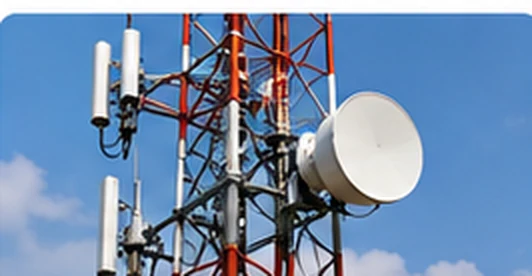 Application-led engineering · Conceptual imagery
Specific interfaces, equipment and deliverables are confirmed through technical review.
Communication architecture for fixed, mobile or remote operations, including operating bands, path constraints and installation requirements.
Application-specific antenna placement, feeder selection, mounting, grounding and integration considerations.
Path profiles, antenna heights, interference review and practical RF-system performance assessment.
Support for locating signal loss, interference, cabling faults, alignment problems and configuration issues.
Parameters we review before selecting equipment or preparing a proposal.
| Area | What to establish |
|---|---|
| Operating requirement | Frequency band, communication mode, intended coverage and operating environment |
| Site information | Path terrain, antenna location, mounting restrictions and access conditions |
| Equipment interfaces | Radio connectors, supply voltage, data/audio/control ports and network interfaces |
| Verification | VSWR/return loss where relevant, received signal, noise/interference and service reliability |
Representative application areas; deployment details depend on the site and specification.
Radio links for distributed assets, site coordination and field connectivity.
Communication system integration subject to applicable allocations and approvals.
Fixed outdoor links, antenna infrastructure and microwave path analysis.
Custom RF integration and application-led engineering studies.
A practical engineering workflow, from initial survey through validation.
Record sites, frequency band, modes and constraints.
Review link budget, coverage and installation feasibility.
Select hardware, antennas, feeders and protective arrangements.
Test communication and document measured outcomes.
Yes, with the radio model, frequency range, connector, mounting constraints and application details.
No. Antenna system, terrain, obstruction, interference and receiver performance are usually just as important.
Applicable frequency allocations, equipment authorizations and operating licences must be checked for the intended deployment.
Selecting a radio or VHF/UHF antenna requires more than a published transmit-power or gain figure. The complete system includes permitted operating frequencies, path geometry, antenna positioning, feeder losses and actual interference.
Match the operating band, polarization, radiation pattern and impedance. Include connector and coaxial losses, mechanical mounting and suitable outdoor protection in the assessment.
For fixed links, assess line of sight, terrain, Fresnel-zone obstruction and received-signal margin. Test the radio environment rather than relying on an optimistic range value.
Required frequency authorizations and applicable licence conditions must be reviewed for the intended service. Earthing, surge protection, structural loads and maintenance access matter to dependable operation.
Share the existing equipment, site conditions and the result you need. We will review the relevant engineering considerations.