
01 / MEASUREMENT
Sensor Integration
Connect environmental measurement modules through suitable analog, digital or industrial interfaces.
Integrated sensor networks and field data logging for environmental awareness, utilities, infrastructure and Net Zero campus initiatives.
Environmental information is useful only when sensors are correctly placed, readings are repeatable, and records can be trusted. URVI integrates field instrumentation, industrial communication and time-series logging into maintainable monitoring installations.
Discuss your application →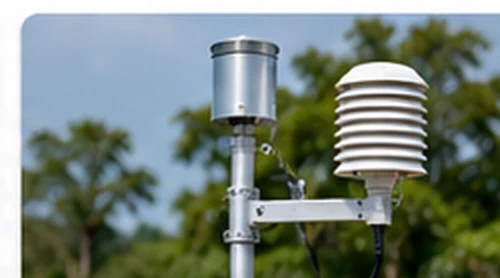 Application-led engineering · Conceptual imagery
Specific interfaces, equipment and deliverables are confirmed through technical review.
Connect environmental measurement modules through suitable analog, digital or industrial interfaces.
Arrange sensors across buildings and sites using RS485 and appropriate wireless backhaul where needed.
Capture timestamped measurements, device status, exception flags and trends to assist technical decisions.
Present monitored variables, alarm conditions and historical trends in an understandable technical interface.
Parameters we review before selecting equipment or preparing a proposal.
| Area | What to establish |
|---|---|
| Weather & ambient | Temperature, relative humidity, pressure, rainfall and wind where sensors are fitted |
| Air & water quality | Application-dependent sensors requiring appropriate calibration and site suitability |
| Data interfaces | RS485 / Modbus, Ethernet, serial gateways and compatible sensor outputs |
| Logging architecture | Sampling interval, local storage, time synchronization, backup and remote access |
Representative application areas; deployment details depend on the site and specification.
Environmental visibility integrated into broader sustainability measurement programs.
Indoor and outdoor temperature/humidity trends across separated areas.
Solar-compatible field instrumentation with suitable power budgeting.
Long-term logging and monitored status of environment-sensitive equipment.
A practical engineering workflow, from initial survey through validation.
Specify sensors, installation environments and reporting targets.
Plan power distribution, interface wiring and remote links.
Set sample rate, retention and offline operation.
Check instrumentation behaviour, timestamps and dashboard outputs.
Often yes when the protocol registers, supply requirements and electrical layout are documented.
It can be with a realistic energy budget, battery autonomy analysis and suitable charging/protection design.
No. Environmental sensors alone do not establish a Net Zero claim; energy, emissions and other audited datasets are also required.
Reliable temperature and humidity monitoring begins with sensor placement and traceable readings—not just an attractive dashboard. URVI evaluates the complete measurement chain, from installed sensor and communications to recorded trends and alert actions.
Specify the measurement range, accuracy, sampling interval, timestamps and retention period. For RS485/Modbus sensors, verify register addresses and scaling before interpreting values.
Where a site has limited connectivity, a gateway can buffer records locally and forward them once communication returns. Alarm conditions, outage visibility and remote power autonomy require explicit design.
Applications may include ambient temperature, relative humidity, weather parameters and distributed Net Zero campus sensing. Monitoring should distinguish instrument uncertainty from genuine environmental changes.
Share the existing equipment, site conditions and the result you need. We will review the relevant engineering considerations.